Hypertension & Cardiovascular Risk
Resistant Hypertension
Blood pressure that remains high despite three or more medicines — what true resistance means, and the specialist approach to finding and treating it.
Overview
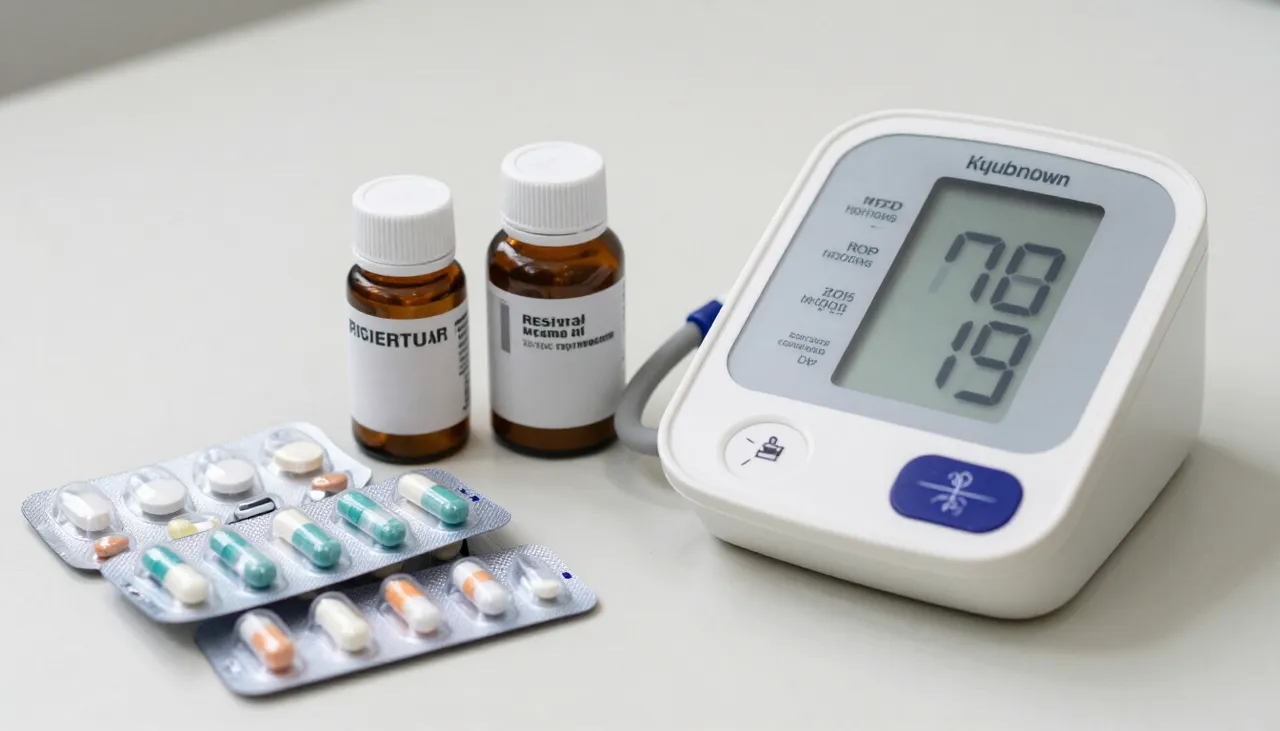
Resistant hypertension is blood pressure that stays above target despite the use of three or more blood-pressure medicines, including a diuretic (water tablet), at sensible doses. It is less common than ordinary uncontrolled hypertension, but it deserves a careful, structured approach because it often hides a specific cause or a correctable factor that, once addressed, brings the pressure down.
This page covers true resistant hypertension. For blood pressure that is high on one or two medicines, see Uncontrolled Hypertension; for very high readings needing prompt care, see Hypertensive Urgency.
Apparent versus true resistance
Not everyone with apparently resistant hypertension is truly resistant. Before concluding the pressure is resistant, it is important to rule out common “apparent” causes — missed doses, white-coat effect (high only in clinic), an inaccurate cuff, or medicines and substances that raise pressure. Many “resistant” cases become controlled once these are corrected.
Causes of true resistant hypertension
- Secondary causes — kidney artery narrowing, kidney disease, hormonal disorders (aldosterone excess, adrenal or thyroid problems), sleep apnoea.
- High salt intake that overwhelms the medicines.
- Medicines or substances that raise pressure — NSAID painkillers, certain cold remedies, oral contraceptives, excess alcohol.
- Obesity and severe sleep disturbance.
The specialist assessment
- Confirmation with home or 24-hour ambulatory monitoring to exclude white-coat effect.
- Detailed review of every medicine, dose and timing, and adherence.
- Blood and urine tests for kidney function, electrolytes and hormonal screening.
- Assessment for sleep apnoea where indicated.
- Review of any drugs or supplements raising pressure.
Treatment approach
Treatment combines correcting any identified cause, optimising the medicine combination (often including a diuretic and specific add-on agents), and reinforcing lifestyle measures — especially salt reduction. Where a secondary cause is confirmed, treating it directly can markedly improve or even resolve the resistance. Close follow-up with monitored readings confirms the response.
How we help
Dr. Nayak distinguishes true resistant hypertension from apparent resistance, screens systematically for secondary causes and interfering medicines, and optimises the treatment regimen with careful monitoring. Where a cause is found, it is treated directly and the response tracked over time. Consultations are available in-clinic in Bhubaneswar and over teleconsultation.
Related conditions and patient concerns
Resistant hypertension is closely tied to secondary causes and to overall risk. These related pages support the assessment.
Explore more
Related conditions
Explore more
Related services
Take action now
Schedule your consultation today with Dr. Nayak
Don't wait to get the healthcare you deserve. Book your appointment in just a few clicks.