Skin Problems
Shingles / Herpes Zoster
A painful, blistering rash on one side of the body from reactivation of the chickenpox virus — why early treatment matters and complications to watch for.
Overview
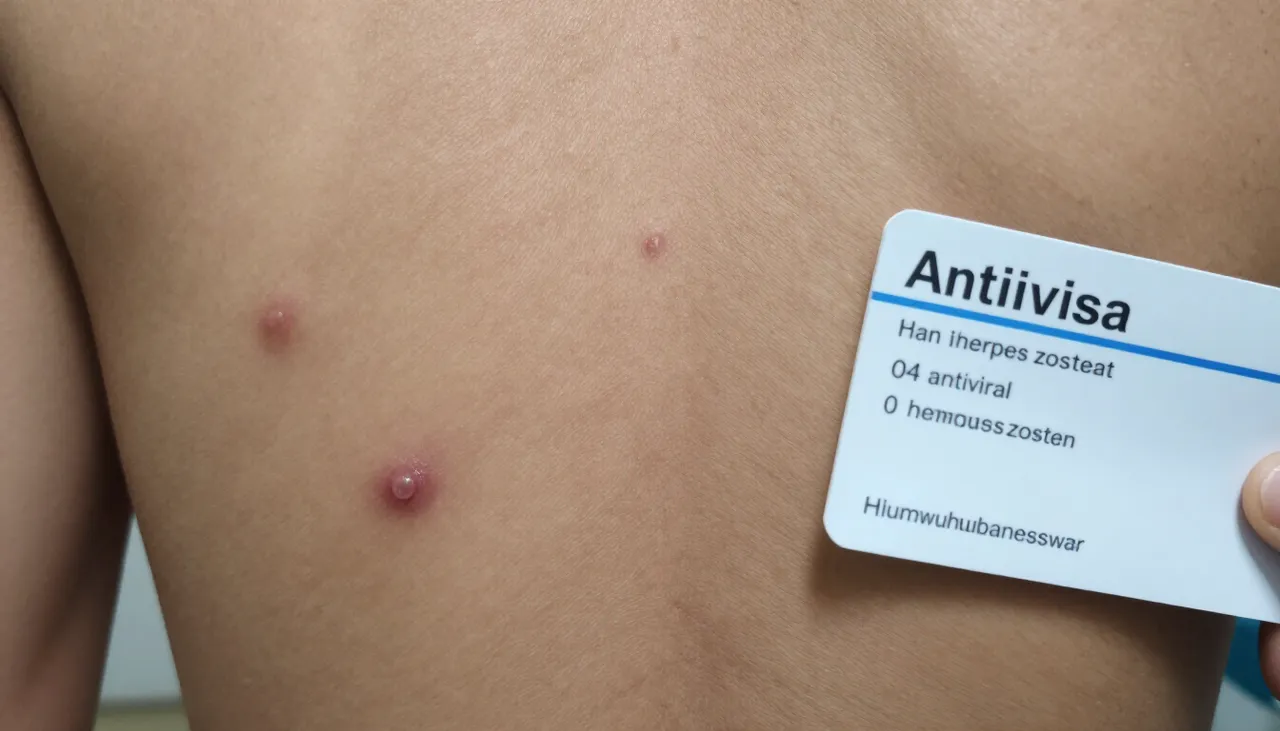
Shingles (herpes zoster) is a painful, blistering rash caused by reactivation of the varicella-zoster virus — the same virus that causes chickenpox. After a person has chickenpox, the virus stays dormant in the nerves and can reactivate years later, usually when immunity is lowered by age, stress, illness, or a weakened immune system. The rash typically appears on one side of the body, following a nerve line, and is often preceded by pain, tingling or burning in the same area.
Symptoms and pattern
- Pain, tingling, or burning on one side of the body, days before the rash.
- A red rash that turns into clusters of blisters, following a band on one side.
- Blisters that crust over within a week to ten days.
- Fever, headache, and tiredness may accompany the rash.
- Pain can be severe and may persist after the rash heals (post-herpetic neuralgia).
Why early treatment matters
Antiviral medicines work best when started within 72 hours of the rash appearing, reducing the severity and the risk of long-term nerve pain. Prompt treatment is particularly important when shingles affects the face or eye, which can threaten vision. See Skin Rash with Fever and Fever & Infectious Diseases.
Evaluation and management
Diagnosis is usually clinical from the characteristic one-sided blistering rash. Treatment uses antiviral medicines (when started early), pain relief, and keeping the rash clean to prevent bacterial infection. Pain that persists after the rash heals may need specific nerve-pain management. People with shingles should avoid contact with pregnant women, newborns, and anyone with weakened immunity until the rash has crusted.
Warning signs — seek prompt care
- A painful blistering rash on one side — start antivirals early, within 72 hours.
- Shingles on the face or near the eye — urgent eye assessment.
- Severe or persistent pain after the rash heals — needs nerve-pain management.
- A rash that becomes secondarily infected (spreading redness, pus) — needs assessment.
How we help
Dr. Nayak recognises shingles early, starts antiviral treatment when in the treatment window, manages pain, and treats or refers for complications such as eye involvement or persistent nerve pain. Consultations are available in-clinic in Bhubaneswar and over teleconsultation.
Related conditions and patient concerns
Explore more
Related conditions
Explore more
Related services
Take action now
Schedule your consultation today with Dr. Nayak
Don't wait to get the healthcare you deserve. Book your appointment in just a few clicks.